Business Loans Australia :: Articles

Credit Cards: Identity Theft and Credit Protection

How can I protect myself from identity theft and credit card fraud?

Credit Cards: Identity Theft and Credit Protection

The information on this website is general in nature and does not take into account your objectives, financial situation, or needs. Consider seeking personal advice from a licensed adviser before acting on any information.

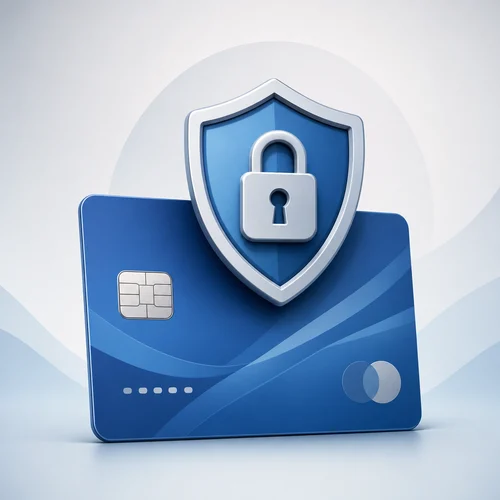
Credit card fraud and identity theft have become widespread not only on the Internet but offline as well. Learn how to avoid these risks and protect your identity as well as your finances or credit line.

According to the US Federal Trade Commission, there are approximately nine million Americans that experience identity theft every year.

Identity theft happens when an unauthorized person takes control of your personal information, including your social security number and your credit card details, and uses it for his or her own interests.

Many companies are quick to respond to these instances. They now offer services and products that can monitor the use of your card, protect your identity, and reimburse the lost funds.

Credit Card Fraud vs. Identity Theft

Identity theft is not the same as credit card fraud although they are often connected to each other.

Identity theft is what happens when a criminal takes your identity and performs transactions with your card.

Usually, there is financial motivation with the guise, such as purchasing items online using your name.

Most thieves today can change your credit information, make new accounts, and even use your ID to commit crimes.

On the other hand, credit fraud starts when someone has stolen your card.

Once they have your credit card number, they can then use it to purchase online or even in person.

They typically resell the goods in order for them to obtain cash. Oftentimes, credit fraud leads to identity theft.

Do You Need Identity Theft Protection?

Everyone with a credit card needs protection against identity theft.

While there are tools that can be bought to help keep you safe from this criminal act, there are measures that you can do that don't cost money.

Practice them first before you resort to services with fees.

Here are some of the things that you can do to help safeguard your card and your identity:

  • Protect your information when performing online purchases.

Many people are now buying stuff online.

Business Loans Australia Weekly News Briefing

Podcast Cover Image This week: the RBA lifted the cash rate to about 4.85% on Tuesday, pushing up variable business borrowing costs. David Jones entered voluntary administration on Thursday, highlighting retail stress and supplier risk. A parliamentary inquiry is examining a proposed 30% minimum tax on discretionary trusts, with calls to grandfather firms under $10m turnover. And more SMEs plan Black Friday promotions, but many rely on credit for stock and lack margin discipline. Takeaways: refresh repayment estimates, tighten credit control, scenario‑plan trust structures, and model cash flow for sales events. Visit business‑loans.com.au for guides and calculators.

While this is convenient, there are risks that may be encountered if you are not careful.

As a matter of fact, it is easier for identity thieves to get your information online.

Make sure that you don't store your passwords and log in information, especially when you use a public computer.

Keep away from phishing tricks.

Phishing scams mimic online shopping websites and banks so that they look legitimate and can get your credit card account.

  • Check your credit card bills.

If there are portions in your statement that seem suspicious to you or if you see purchases that you didn't do, contact your creditor immediately.

  • Shred financial documents.

This is pretty easy, but most people tend to throw away their documents without even shredding them.

Desperate thieves will do anything to get your bank and personal information to use it for their crimes.

  • Beware of multiple swipes.

Card readers sometimes don't read the magnetic stripe in your card so merchants swipe again.

However, there are instances when the second swipe will be used to duplicate the information from your card.

Always ask for a reason why your card has been swiped more than once.

Credit cards usually come with identity theft protection. They can monitor your activities and may report to you in case there are detected changes.

While these are useful, it always pays to be a vigilant cardholder by performing the DIY methods mentioned above. 

Published: Sunday, 1st Aug 2021
Author: 260

Rate this article

0 Comments

No comments yet. Be the first to share your thoughts.


Business Loans Articles

Understanding Business Loan Repayments: How Repayment Amounts Are Calculated
Business loan repayments are shaped by the amount borrowed, interest rate, loan term, repayment frequency, fees and repayment structure. Understanding how these factors interact can help Australian business owners estimate affordability and compare loan options more confidently. - read more
Cash Flow and Working Capital: Practical Strategies for Australian Business Growth
Cash flow is the movement of money into and out of a business. Working capital is the short-term funding available after current liabilities are considered. Together, they help a business meet day-to-day obligations, manage timing gaps and plan for growth opportunities. - read more

Personal Guarantees and Security for Business Loans in Australia
Personal guarantees, collateral and security interests can affect both a business and the people behind it. This guide explains key risk concepts Australian SME owners, sole traders and company directors should understand before signing a business loan agreement. - read more
Business Loan Refinancing and Sustainable Business Growth
Business loan refinancing involves replacing existing debt with a new loan under different terms. For Australian businesses, refinancing may help improve cash flow, simplify debt management or align repayments with longer-term growth plans, but the costs and trade-offs need to be assessed carefully. - read more
Alternative Funding Options for Your Australian Business
When it comes to starting or expanding a business in Australia, securing funding is often a top priority. However, traditional funding options, such as bank loans or government grants, can be difficult to obtain for small businesses. - read more
Startup Loan vs Business Line of Credit: Which Funding Option Fits Your Business?
Starting or growing a business often requires funding for equipment, premises, stock, staff, marketing or day-to-day cash flow. Two common options are a startup loan and a business line of credit. They can both provide access to capital, but they work in different ways and suit different funding needs. - read more
How to Compare Business Loan Features Before You Apply
Comparing business loan features is an important part of understanding the different finance options available to your business. Loan products vary between lenders, with differences in interest rates, fees, repayment terms, borrowing limits and eligibility criteria. - read more

Finance News

SME Borrowing Rebound Puts Planning Ahead of Panic
04 Nov 2026: Paige Estritori
Australian SME borrowing activity appears to have regained momentum, with newly reported Banjo Loans Barometer data for the quarter to 30 September 2026 pointing to stronger loan applications, more loans drawn and a continued focus on cash buffers. The result is notable because it follows months of more cautious borrowing signals from parts of the small business market, and suggests many firms are not simply waiting for conditions to improve before reviewing their funding position. - read more
SMEs Turn to Non-Bank Funding as Investment Plans Hold Up
28 Oct 2026: Paige Estritori
Australian SMEs planning their next round of investment are increasingly looking beyond traditional bank funding, with new ScotPac SME Growth Index findings reported by Inside Small Business on 22 October 2026 showing non-bank finance has reached a record share of intended funding use. The result is a notable signal for business owners and finance managers: the question is no longer simply whether credit is available, but which structure best matches the timing, risk and cash flow profile of the business. - read more
Business Confidence Signals Put Loan Readiness Back in Focus
16 Sep 2026: Paige Estritori
Latest Australian business survey reporting is sending a practical message to owners and finance managers: trading conditions may be holding up in parts of the economy, but confidence remains fragile. For SMEs, that mix matters. When revenue is uneven, input costs are sticky and customers are cautious, the timing and structure of new borrowing can become just as important as the headline interest rate. - read more
Why ATO Interest Changes Matter for Business Borrowers
09 Sep 2026: Paige Estritori
A tax change now working through Australian business finances deserves close attention from owners, directors and finance managers. Since 1 July 2025, the ATO’s general interest charge and shortfall interest charge have no longer been tax-deductible. For businesses carrying overdue tax or correcting underpaid obligations, that can lift the effective after-tax cost of falling behind. - read more
Payday Super Puts Payroll Timing Under the Finance Microscope
02 Sep 2026: Paige Estritori
Australia’s move towards Payday Super is more than a compliance update for employers. For many small and medium-sized businesses, it changes the rhythm of payroll-related cash outflows and places a sharper focus on whether day-to-day liquidity is strong enough to meet obligations as they fall due. - read more
Specialist SME Lending Remains Open, But Discipline Matters
26 Aug 2026: Paige Estritori
Latest market reporting around specialist SME lender Judo Bank points to a business credit market that is not shutting down, but is becoming more deliberate. The lender’s continued focus on relationship-led lending, deposits and small to medium-sized business borrowers suggests demand for finance remains present among firms with clear plans and serviceable cash flow. - read more
Payment Timing Keeps Pressure on SME Working Capital
19 Aug 2026: Paige Estritori
Fresh small business indicators are again pointing to a familiar challenge for Australian SMEs: trading activity may continue, but the timing of cash receipts is still creating pressure. Recent industry commentary has highlighted uneven payment behaviour, cautious customer spending and a more deliberate approach to investment among smaller firms. For owners and finance managers, that combination can make working capital planning just as important as sales growth. - read more


Knowledgebase
Balloon Payment.:
A large loan repayment made in order to clear a debt. Usually applied to a short-term fixed-rate loan, which involves small payments for a certain period of time with one large payment for the remaining amount of the principal at a time specified in the future.