The information on this website is general in nature and does not take into account your objectives, financial situation, or needs. Consider seeking personal advice from a licensed adviser before acting on any information.
Comparing business loan features is an important part of understanding the different finance options available to your business. Loan products vary between lenders, with differences in interest rates, fees, repayment terms, borrowing limits and eligibility criteria.
Introduction
This article explains some of the key loan features to consider when comparing business loan products before applying. The information is general in nature and is intended to help business owners better understand the differences between available loan options.
Taking the time to compare loan features can help you understand how different products may suit different borrowing requirements and business circumstances.
Identifying Your Business Needs
Assessing the Purpose of the Loan
Before comparing loan products, it's useful to identify the purpose of the borrowing. Business loans may be used for a range of purposes, such as purchasing equipment, supporting cash flow, expanding operations or funding other business activities. The intended use of the funds may influence the types of loan products available and the information requested by lenders.
Determining the Amount and Loan Term Required
When comparing business loan products, consider the amount you wish to borrow and the repayment term offered by each lender. Loan amounts and repayment periods vary depending on the lender, the loan product and the borrower's circumstances.
Loan terms can affect both the size of the regular repayments and the total amount repaid over the life of the loan. Understanding how different loan terms work can assist when comparing available loan products.
Understanding Your Business's Financial Situation
A thorough assessment of your business’s financial health will guide your loan decision. Review your cash flow, profit margins, and current debt levels. This understanding will not only help in selecting the right loan but also in negotiating terms with lenders.
Depending on the lender, information about your business's financial position and future plans may form part of the assessment process. The information requested will vary between lenders and loan products.
Understanding Key Loan Features
Interest Rates
Interest rates are a critical feature to examine when comparing business loans. They determine the cost of borrowing over the loan's lifetime and can significantly affect your repayment amounts. A lower interest rate can reduce your overall debt burden, but it's essential to understand how rates are calculated and if they might change over time.
Interest rates vary between lenders and loan products. When comparing loans, it's also useful to consider fees, repayment terms and other loan features to better understand the overall cost of borrowing.
Fixed vs Variable Rates: Pros and Cons
Fixed interest rates remain the same for the agreed loan term, providing certainty about repayment amounts during that period. Variable interest rates may change over time, depending on the lender's pricing and other factors.
Whether a fixed or variable rate is available will depend on the lender and the loan product. Understanding how each interest rate structure operates can assist when comparing business loan options.
Fees and Charges: What to Watch Out For
Beyond the interest rate, be mindful of any additional fees and charges associated with a loan. Common fees include origination fees, administration fees, and early repayment penalties. These costs can add up, so scrutinise the fine print to understand the total cost of your loan.
Reviewing the lender's schedule of fees and charges can help you understand the total cost of the loan. Fees vary between lenders and loan products.
Loan Type Comparison
Secured vs Unsecured Loans
When choosing a business loan, one of the primary decisions is whether to opt for a secured or unsecured loan. Secured loans require you to pledge assets such as real estate or equipment as collateral. These loans often come with lower interest rates because they pose less risk to the lender.
On the other hand, unsecured loans do not require collateral, but they typically have higher interest rates due to the increased risk for lenders. Your personal and business credit history play a significant role in qualifying for these loans. When comparing secured and unsecured loans, consider factors such as interest rates, fees, repayment terms, borrowing limits and whether security is required.
Government-backed Loans and Grants
Some Australian Government programs may provide funding assistance or guarantee arrangements for eligible businesses. Eligibility requirements, available funding and application processes vary depending on the specific program. Businesses should review the relevant program requirements before applying.
Alternative Lending Options
In addition to traditional bank loans, alternative lending options such as peer-to-peer lending and online lenders are increasingly popular. These lenders may offer quicker application processes and less stringent credit requirements.
Alternative lenders may offer different loan products, application processes and eligibility requirements to traditional lenders. Interest rates, fees and loan features vary, so it's important to review the terms and conditions of each product before applying.
Evaluating Lender Reputation and Flexibility
Researching Lenders: Key Factors to Consider
Before committing to a business loan, it’s crucial to research potential lenders thoroughly. Start by examining the lender’s history and stability. Look into how long they've been operating in the market and their financial health.
Business loan products, eligibility criteria and customer support may vary between lenders. Reviewing publicly available information can help you compare the features offered by different providers.
Reviews and Testimonials
Public reviews and customer feedback may provide additional information about borrowers' experiences with a lender. As individual experiences differ, reviews should be considered alongside other information such as loan features, fees and eligibility requirements.
Flexible Repayment Options
Loan products may offer different repayment options depending on the lender. Reviewing available repayment features, fees and loan terms can help you compare the flexibility offered by different products.
Calculating the True Cost of a Loan
Online Calculators
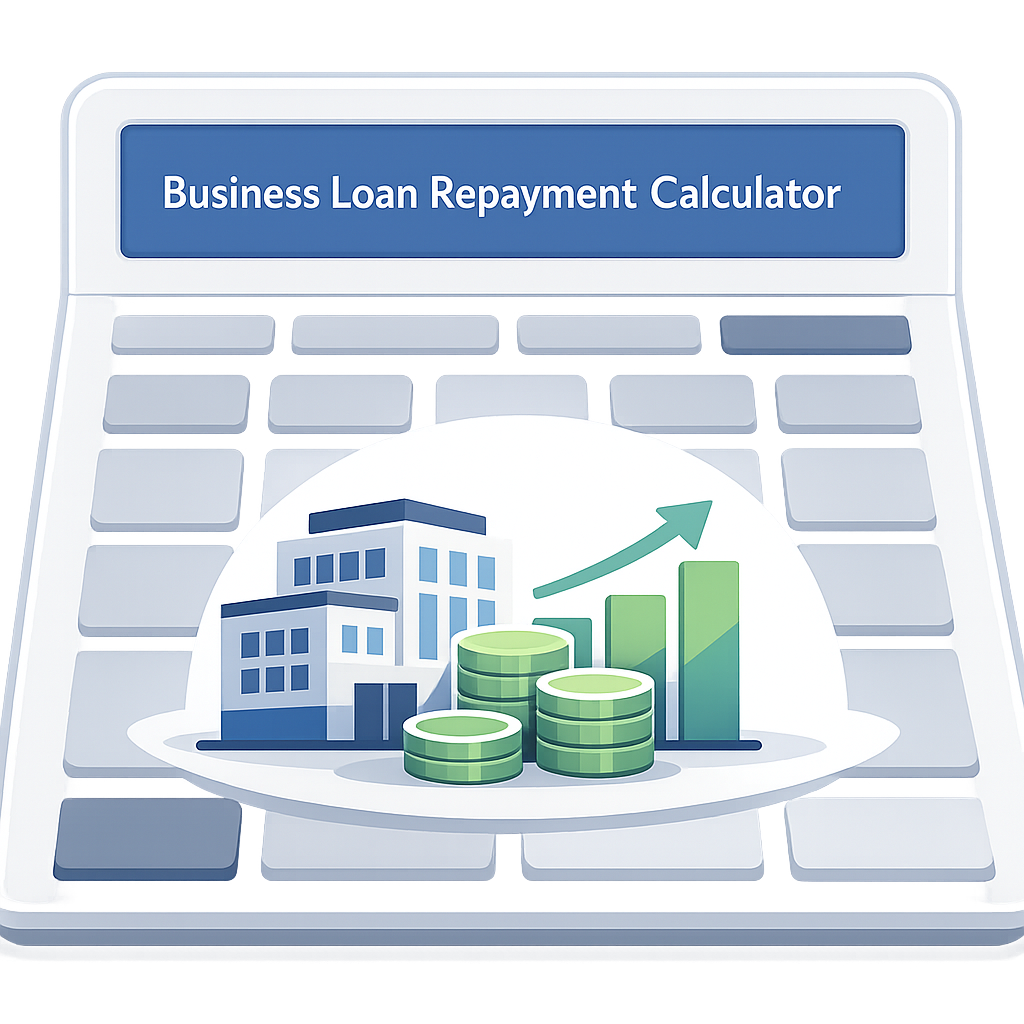
One of the first steps in understanding the true cost of a business loan is using an online loan calculator. These tools offer a straightforward way to estimate your potential monthly repayments. Simply input the loan amount, interest rate, and loan term, and the calculator will provide an estimated repayment figure.
Online calculators can provide estimates based on the information entered. Actual repayments and borrowing costs will depend on the lender's assessment and the final loan terms.
Additional Costs
Beyond the basic repayment estimates, it's crucial to factor in all other costs associated with the loan. Additional fees such as origination fees, service charges, and prepayment penalties can significantly affect the total cost. Overlooking these expenses can lead to unpleasant surprises down the track.
Reviewing the lender's fee schedule and loan documentation can help you understand the costs that may apply throughout the life of the loan.
Long-Term Financial Commitment
Taking out a business loan is a long-term financial commitment that requires careful consideration. It's important to assess whether your business can sustain the repayments over the entire loan period, even if circumstances change. Consider the impact of the loan payments on your cash flow, especially during lean months.
Understanding the repayment obligations and total borrowing costs can help businesses compare different loan products before making a borrowing decision.
Understanding Business Loan Application Requirements
Preparing Documents
Lenders commonly request documents such as financial statements, tax returns and information about the business as part of the application process. The documents required will vary depending on the lender and the loan product.
Credit Profile and Business Plan
Depending on the lender, a business's credit history, financial information and supporting documents may form part of the assessment process. Some lenders may also request a business plan or details about the intended use of the loan.
Financial Advisors
If you have questions about a lender's loan features or application process, you may wish to speak with the lender or a commercial finance broker. If you're unsure whether a particular loan is appropriate for your business circumstances, consider seeking independent financial advice.
Conclusion
Comparing business loan features involves reviewing factors such as interest rates, fees, repayment terms, borrowing limits, eligibility requirements and other loan features. Understanding these differences can help businesses compare the available loan products.
Before applying for a business loan, review the available loan products and compare the lender's terms, fees and eligibility criteria. Understanding these features can assist when comparing business finance options.
If you have questions about a lender's loan products or application process, speak directly with the lender or a commercial finance broker. If you're unsure whether a loan is appropriate for your business circumstances, consider seeking independent financial advice.
Published: Wednesday, 8th Jul 2026
Author: Paige Estritori






No comments yet. Be the first to share your thoughts.